Modern Payment Infrastructure Explained: Payment Technologies, Processing Systems, Fintech Platforms, Global Providers and Business Applications
Modern payment infrastructure refers to the technology, financial networks, software systems, and security procedures that allow money to move between individuals, businesses, banks, and other financial institutions. It supports everyday activities such as paying for groceries, transferring money between accounts, purchasing products online, and receiving payments from customers.
Payment systems have evolved from cash-based transactions and paper instruments to electronic transfers, card networks, mobile payments, and real-time digital payment systems. These developments have changed how businesses collect money, how financial institutions communicate, and how consumers access payment options.
Today, payment infrastructure includes several interconnected components. Banks maintain accounts, payment processors manage transaction information, payment networks route transactions, and security systems help detect unauthorized activity. Fintech platforms bring these functions together through applications and digital interfaces.
How payment infrastructure works
A digital payment generally involves several stages, although the exact process depends on the payment method.
Payment initiation: A customer starts a transaction using a card, mobile application, bank transfer, or another supported method.
Authentication: The system verifies relevant credentials or requests additional confirmation when necessary.
Authorization: The appropriate financial institution or payment network checks whether the transaction can proceed.
Processing: Transaction information moves between the relevant systems according to the payment method.
Clearing: Transaction details are reconciled and obligations between participating institutions are calculated.
Settlement: Funds are transferred between the relevant financial institutions.
Reconciliation: Businesses compare payment records with their accounting systems and bank statements.
These stages do not always occur separately. Some real-time payment systems combine several activities, while card payments may involve authorization at one point and settlement later.
Main components of payment infrastructure
Modern payment environments contain several technologies and institutions that perform different functions.
Payment gateways: Connect online checkout systems with payment processing infrastructure.
Payment processors: Handle transaction information and coordinate communication between relevant participants.
Card networks: Route card transactions between participating institutions under network rules.
Banking systems: Maintain accounts and support transfers, deposits, and other financial activities.
Digital wallets: Store payment credentials or account connections and allow users to initiate transactions electronically.
Payment APIs: Enable applications, websites, and business software to communicate with payment systems.
Fraud detection systems: Analyze transaction patterns and other signals to identify potentially suspicious activity.
Settlement systems: Support the movement of funds between participating financial institutions.
A payment provider may perform several of these functions, or it may depend on other organizations for particular stages of a transaction.
Importance of Modern Payment Infrastructure
Payment infrastructure is essential to the functioning of modern commerce. Individuals rely on it to pay bills, receive salaries, transfer money, and manage daily expenses. Businesses use payment systems to accept customer payments, pay suppliers, process refunds, and manage transactions across different locations.
Reliable payment infrastructure can make transactions easier to track and help businesses manage financial operations more efficiently. However, payment systems also face challenges involving fraud, technical outages, data security, transaction disputes, and differences between domestic and international payment rules.
Benefits for consumers and businesses
Modern payment technologies support several important activities:
Faster transactions: Electronic systems allow many payments to be processed without relying on physical cash or paper-based instructions.
Multiple payment methods: Businesses can support cards, bank transfers, digital wallets, and other locally available options.
Digital recordkeeping: Electronic transaction records help users track payments and reconcile financial accounts.
E-commerce support: Online payment systems allow businesses to accept payments from customers who are not physically present.
International transactions: Cross-border payment networks connect financial institutions operating in different countries.
Fraud monitoring: Transaction monitoring and authentication tools help identify suspicious activity and reduce certain payment risks.
Business system integration: Payment APIs can connect transaction processing with accounting software, customer platforms, and inventory systems.
These capabilities do not eliminate every transaction problem. Payment failures, delayed settlements, disputed transactions, and unauthorized account access can still occur.
Common challenges in payment processing
Payment infrastructure must balance transaction speed, security, reliability, and regulatory compliance. A system designed for rapid payments must still confirm that transactions are properly authorized and that funds are handled according to applicable rules.
Businesses may encounter several operational challenges. Payment failures can result from insufficient funds, incorrect details, network interruptions, expired credentials, or security checks. International payments may involve currency conversion, intermediary institutions, additional documentation, and different settlement timelines.
Another concern is fragmentation. Different countries use different payment networks, technical standards, identification procedures, and regulatory frameworks. Businesses operating internationally must account for these differences when designing payment processes.
Types of payment systems
Payment system | How it works | Common applications |
|---|---|---|
Card payments | Transactions are routed through card networks and participating institutions | Retail stores, online shopping |
Bank transfers | Funds move between bank accounts | Supplier payments, personal transfers |
Real-time payments | Eligible transfers are processed rapidly through designated payment networks | Instant account-to-account payments |
Digital wallets | Applications initiate payments using stored credentials or linked accounts | Mobile payments, digital checkout |
Direct debit | Authorized instructions collect payments from an account | Recurring bills, subscriptions |
Cross-border payments | Transactions move between countries through participating financial institutions or networks | International trade, remittances |
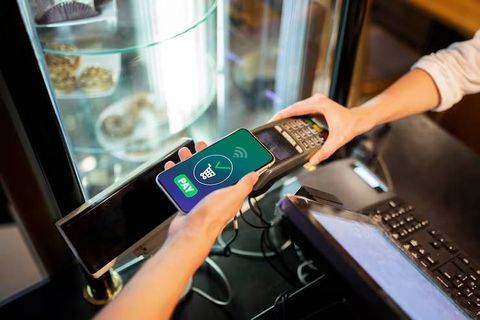
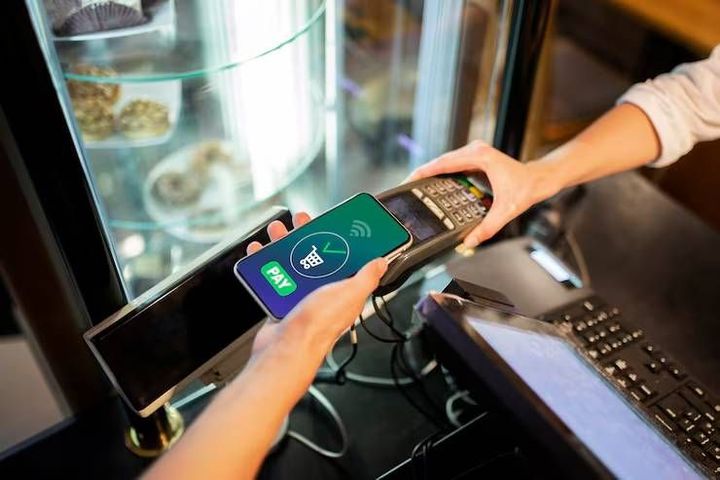
Contactless payments | Compatible cards or devices communicate with payment terminals | In-person retail transactions |
Availability, processing times, transaction limits, and dispute procedures differ across systems and jurisdictions.
Recent Developments in Payment Technologies
Payment infrastructure continues to change through real-time bank transfers, digital identity tools, tokenization, artificial intelligence, and improved connections between payment networks. Developments from 2024 through 2026 reflect growing attention to interoperability, security, digital commerce, and the modernization of financial systems.
Real-time payment networks
Real-time payment systems allow eligible transactions to move between accounts within seconds, often operating beyond conventional banking hours. Their availability and transaction limits depend on the relevant network and participating institutions.
India's Unified Payments Interface (UPI) is an example of an account-to-account payment system that supports rapid digital transfers. Other countries have developed their own domestic instant payment networks, with different operating rules and levels of interoperability.
Real-time payments can improve transaction speed, but rapid movement of funds can also complicate recovery after an authorized payment is sent to the wrong recipient or obtained through fraud. Authentication, transaction monitoring, and clear dispute procedures remain important.
Tokenization and stronger authentication
Payment tokenization replaces sensitive payment credentials with alternative identifiers that can be used within defined environments. This can reduce exposure of underlying card details during certain transactions.
Authentication technologies are also evolving. Depending on the payment method, systems may use device verification, biometric checks, one-time passwords, or additional confirmation for transactions considered higher risk. These measures can help protect accounts, although no single technique prevents every form of fraud.
Artificial intelligence in payment systems
Artificial intelligence is used in some payment environments to identify unusual transaction patterns, assess potential fraud, and support operational monitoring. Models may analyze transaction amounts, frequency, device signals, and other permitted information.
AI can help identify patterns that conventional rules may miss, but it can also produce false alerts or fail to detect new forms of fraud. Payment organizations need to monitor system performance, protect sensitive data, and provide appropriate review and escalation procedures.
Open banking and payment APIs
Open banking frameworks and payment APIs allow authorized systems to exchange financial information or initiate transactions under defined permissions. These technologies can support account aggregation, payment initiation, financial reporting, and integration with business software.
The rules governing these connections vary by jurisdiction. Appropriate consent, access controls, technical security, and clear responsibilities are necessary when financial information passes between organizations.
Cross-border payment modernization
International payment providers and financial institutions continue to work on improving the transparency, speed, and traceability of cross-border transfers. Improvements can involve better messaging standards, more direct connections between institutions, and clearer information about transaction status.
Nevertheless, international transfers may still require currency conversion, intermediary processing, regulatory screening, and compliance checks. Their completion time depends on the payment route, participating institutions, and destination-country requirements.
Laws and Policies Affecting Payment Infrastructure
Payment infrastructure operates under rules designed to protect customers, maintain financial stability, prevent financial crime, and support secure transaction processing. Requirements differ according to the payment method, the organizations involved, the countries served, and the type of financial activity.
Payment regulations in India
The Reserve Bank of India (RBI) plays a central role in regulating payment systems and overseeing relevant financial institutions in India. The Payment and Settlement Systems Act, 2007, provides a legal framework for the regulation and supervision of payment systems.
The RBI also establishes requirements and directions relevant to payment aggregators, payment security, digital transactions, and other regulated activities. The specific obligations depend on the provider's role and the nature of its operations.
The National Payments Corporation of India (NPCI) operates and manages several retail payment systems, including UPI and the National Electronic Funds Transfer (NEFT) is operated by the RBI. These systems have different operating structures and transaction characteristics.
Data protection and financial security
Payment systems handle sensitive information, which may include account identifiers, transaction records, contact information, and payment credentials. Organizations must consider applicable data protection requirements and implement suitable technical and organizational safeguards.
India's Digital Personal Data Protection Act, 2023, and associated rules are relevant to digital personal data processing within their applicable scope. Financial institutions and payment providers may also face additional requirements under banking, cybersecurity, and payment-specific regulations.
Common security practices include:
Encrypting sensitive information during transmission and, where appropriate, storage.
Applying access controls and monitoring privileged accounts.
Using appropriate authentication and transaction verification.
Monitoring suspicious activity and investigating unusual payment patterns.
Maintaining incident response procedures and operational backups.
Protecting payment credentials and limiting unnecessary data retention.
Compliance depends on the applicable legal requirements, current regulatory directions, and the organization's specific activities. Technical security measures alone do not establish full regulatory compliance.
International payment standards
Organizations operating across borders may need to consider several standards and regulatory frameworks.
PCI DSS: A payment card industry security standard covering the protection of payment account data for organizations within its scope.
ISO 20022: An international standard for financial messaging that supports structured data exchange between financial institutions and payment systems.
Anti-money laundering and counter-terrorist financing requirements: Rules and controls intended to identify suspicious activity, verify relevant parties, and reduce the misuse of financial systems.
Strong customer authentication requirements: Certain jurisdictions require additional authentication for specified electronic payments, subject to applicable exemptions and conditions.
These requirements have different legal and technical purposes. ISO 20022 is a messaging standard, whereas PCI DSS addresses payment card data security. Their applicability depends on the system and activity involved.
Tools and Resources for Payment Infrastructure
Payment operations rely on technical platforms, monitoring tools, financial records, and security systems. The appropriate combination depends on whether an organization is a bank, a payment provider, an online retailer, or a business accepting payments from customers.
Common payment technology tools
Payment gateways and processing platforms: Connect checkout interfaces with payment processing systems and support transaction authorization, payment status reporting, and related workflows.
Payment APIs and software development kits: Allow applications to connect with payment functions, including transaction initiation, refunds, payment status checks, and recurring payment arrangements where supported.
Fraud monitoring systems: Analyze transaction information and risk indicators to identify potentially suspicious activity.
Reconciliation software: Compares payment records, settlement reports, and accounting entries to identify discrepancies.
Treasury and cash management systems: Help organizations monitor account balances, expected receipts, payment obligations, and cash movements.
Analytics dashboards: Display transaction volumes, approval rates, failed payments, settlement times, and other operational indicators.
Examples of payment infrastructure providers
The global payment ecosystem includes several types of organizations. Their roles differ, and not every provider performs every function.
Card networks: Visa, Mastercard, and American Express operate payment networks under their respective business models and rules.
Payment technology providers: Adyen, Stripe, and Worldpay support various payment acceptance and processing functions.
Digital payment platforms: PayPal supports digital payments and related account-based transactions.
Banking and payment networks: SWIFT provides financial messaging infrastructure, while domestic systems such as UPI facilitate specific types of electronic payments.
Indian payment ecosystem participants: NPCI, banks, and authorized payment providers support different parts of the domestic digital payments environment.
These organizations are not directly interchangeable. A card network, a financial messaging network, a payment gateway, and a bank each perform different functions within the broader payment infrastructure.
Important indicators for evaluating payment operations
Indicator | What it measures |
|---|---|
Authorization rate | The proportion of payment attempts approved |
Transaction failure rate | The proportion of attempted transactions that fail |
Settlement time | The time required for funds to reach the relevant destination |
Chargeback rate | The frequency of disputed card transactions resulting in chargebacks |
Fraud rate | The incidence of transactions identified as fraudulent under a defined measurement method |
Reconciliation accuracy | The consistency between transaction records and financial records |
System availability | The proportion of time a payment system remains operational |
These indicators need consistent definitions and suitable reporting periods. A high authorization rate, for example, does not independently establish that a payment system is secure or reliable.
Frequently Asked Questions
What is modern payment infrastructure?
Modern payment infrastructure is the combination of financial networks, banks, payment processors, software, and security systems that enables electronic money transfers and digital transactions.
What is the difference between a payment gateway and a payment processor?
A payment gateway connects a checkout interface with payment processing infrastructure and securely transmits transaction information. A payment processor handles transaction communications and processing activities. Depending on the arrangement, one provider may perform both functions.
How do real-time payment systems work?
Real-time payment systems transmit and process eligible payment instructions rapidly between participating institutions. They can make funds available within seconds, subject to the network's rules, transaction status, and participating institutions.
How does AI help prevent payment fraud?
AI systems analyze transaction patterns and risk indicators to identify activity that may be suspicious. They can support transaction screening and risk assessment, but their results require monitoring because legitimate payments may be flagged and fraudulent activity may go undetected.
What regulations apply to digital payment systems in India?
Relevant requirements may include the Payment and Settlement Systems Act, 2007, RBI directions, applicable data protection legislation, and payment security standards. The specific obligations depend on the organization, payment method, and activities involved.
Conclusion
Modern payment infrastructure connects banks, payment networks, processors, digital wallets, and software systems to support electronic transactions. Real-time payments, payment APIs, tokenization, and AI-based monitoring continue to influence how transactions are processed and protected. Security, regulatory compliance, operational reliability, and accurate financial reconciliation remain essential across the payment ecosystem. The requirements and capabilities of individual systems vary according to their functions, jurisdictions, and participating institutions.