Lyophilized Medicines Explained Uses, Process, Benefits & Storage
Lyophilized medicines are designed for improved stability. They are prepared through a specialized drying method that removes water from a product while preserving important characteristics. This process is commonly known as lyophilization or freeze-drying. It is used in pharmaceutical manufacturing when a formulation requires a controlled method of moisture removal.
Understanding lyophilized medicines involves learning about the freeze-drying process, their applications, packaging, storage and handling. These details help explain why this preparation method is used in different areas of pharmaceutical production.
What Are Lyophilized Medicines?
Lyophilized medicines are pharmaceutical preparations from which most of the water has been removed through freeze-drying. The process generally involves freezing a prepared formulation and then removing ice through controlled drying under reduced pressure.
The final product is often a dry, porous material or powder. Depending on its formulation and intended use, a suitable liquid may need to be added before administration. Product-specific instructions determine how preparation should be performed.
Lyophilization is used for selected formulations that may be sensitive to moisture or require particular stability conditions. It does not make every formulation more stable automatically. The results depend on the ingredients, manufacturing process and packaging.
Why Is Lyophilization Important?
Moisture can affect the physical and chemical properties of certain pharmaceutical formulations. Removing water through a controlled process may help manage these changes during storage.
Supporting Product Stability
Some formulations are sensitive to moisture and may experience changes during storage. Freeze-drying reduces the amount of water present, which can help maintain selected product characteristics when the process and packaging are properly designed.
Supporting Storage and Transportation
A dry preparation may be more suitable for certain storage and transportation conditions than its liquid equivalent. However, temperature, humidity, light exposure and packaging requirements still need to be considered.
Allowing Reconstitution
Many lyophilized preparations are designed to be mixed with a specified liquid before use. This process is called reconstitution. The required liquid, quantity and preparation method depend on the approved product instructions.
How Does the Lyophilization Process Work?
Lyophilization involves several controlled stages. Each stage has a specific purpose and must be developed according to the formulation and equipment requirements.
1. Formulation Preparation
The initial formulation is prepared using selected ingredients and suitable processing conditions. Manufacturers evaluate factors such as composition, concentration, pH and compatibility before beginning the drying process.
2. Freezing
The prepared formulation is placed in suitable containers and cooled until it freezes. Freezing conditions can influence ice formation and the structure of the final dried material.
3. Primary Drying
During primary drying, pressure is reduced and controlled heat is supplied. Ice changes directly into water vapour through a process called sublimation. A large portion of the frozen water is removed during this stage.
4. Secondary Drying
Secondary drying removes additional moisture that remains after primary drying. The temperature and pressure conditions are carefully controlled to achieve the intended residual moisture level without damaging the formulation.
5. Sealing and Packaging
After drying, containers are sealed under controlled conditions. Appropriate packaging helps protect the preparation from moisture, contamination and other environmental factors.
Common Types of Lyophilized Pharmaceutical Preparations
Lyophilized products can have different physical forms depending on their formulation, container and manufacturing conditions.
| Preparation Type | General Characteristics |
|---|---|
| Lyophilized powder | Dry material produced after moisture removal |
| Porous cake | Structured solid formed inside a container |
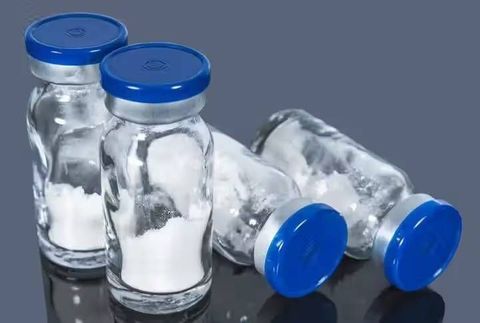
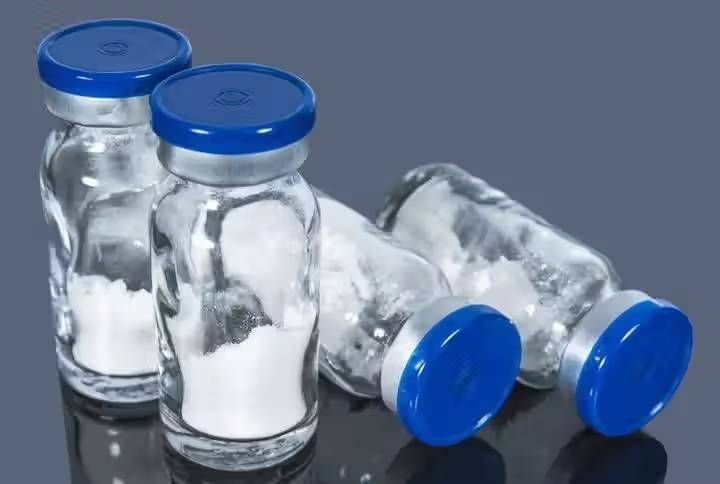
| Freeze-dried vial preparation | Dry preparation sealed in a pharmaceutical vial |
| Reconstitutable preparation | Product designed to be mixed with a specified liquid |
| Specialized biological preparation | Formulation developed for particular stability requirements |
The final appearance and composition depend on the formulation and the selected manufacturing process. A porous cake, for example, may be designed to support the required reconstitution characteristics.
Applications of Lyophilized Medicines
Lyophilization is used in different pharmaceutical and biotechnology applications. Its suitability depends on the physical and chemical properties of the formulation.
Biological Preparations
Some biological formulations are sensitive to environmental conditions, including moisture and temperature. Freeze-drying may be used to develop a dry preparation with specific storage characteristics.
Pharmaceutical Formulations
Selected pharmaceutical formulations may be prepared through lyophilization when their stability requirements make this approach suitable. The method is considered during formulation development and manufacturing planning.
Diagnostic and Laboratory Applications
Certain diagnostic materials and laboratory preparations may also use freeze-drying. This can support the preparation of materials intended for controlled storage and later reconstitution, according to their specific instructions.
Research and Development
Pharmaceutical research teams use lyophilization studies to evaluate formulation behaviour, drying conditions and product characteristics. These studies help determine whether freeze-drying is suitable for a particular preparation.
Packaging and Storage Requirements
Packaging and storage are important parts of maintaining the quality of lyophilized preparations. Removing water during manufacturing does not eliminate the need for environmental protection.
Packaging Considerations
Common packaging formats include glass vials and other containers designed for pharmaceutical applications. The packaging system must be compatible with the formulation and provide suitable protection against moisture and contamination.
Important considerations include:
Container compatibility with the formulation.
Closure integrity and sealing performance.
Protection against moisture entering the container.
Suitability for the intended storage conditions.
Clear product identification and handling instructions.
Storage Conditions
Storage requirements vary according to the product. Some preparations may require refrigeration or controlled room-temperature storage, while others have different conditions.
Users should follow the approved product label and accompanying documentation. General assumptions about storage temperatures should not replace product-specific instructions.
Factors Affecting Product Quality
Several manufacturing and storage factors can influence the quality of lyophilized preparations.
Formulation composition: Ingredients and their concentrations can affect freezing behaviour, drying performance and the structure of the final preparation.
Freezing conditions: Cooling rate and ice formation can influence the physical structure of the dried product.
Drying parameters: Temperature, pressure and drying duration must be controlled according to the formulation.
Residual moisture: The amount of moisture remaining after drying can influence product characteristics and storage stability.
Packaging integrity: Damaged seals or unsuitable containers may allow moisture to enter and affect the preparation.
Storage environment: Temperature, humidity and exposure to light may influence quality depending on the product.
Frequently Asked Questions
What does lyophilized mean?
Lyophilized means that a material has undergone freeze-drying. The process removes most of its water by freezing it and converting ice directly into water vapour under reduced pressure.
Why are some pharmaceutical preparations freeze-dried?
Freeze-drying is used for selected formulations that require controlled moisture removal. It may help support stability and provide a dry preparation intended for storage and later reconstitution.
What is reconstitution?
Reconstitution is the process of adding a specified liquid to a dry preparation. The liquid type, quantity and preparation steps must follow the product-specific instructions.
Are all lyophilized preparations stored in the same way?
No. Storage requirements vary according to formulation, packaging and product specifications. The approved label and documentation provide the appropriate conditions.
What is the difference between lyophilization and ordinary drying?
Ordinary drying generally removes moisture through evaporation. Lyophilization first freezes the material and then removes ice through sublimation under reduced pressure, followed by additional drying when required.
Conclusion
Lyophilized medicines are pharmaceutical preparations developed through a controlled freeze-drying process. The method involves formulation preparation, freezing, primary drying, secondary drying and packaging.
Their applications include selected pharmaceutical, biological, diagnostic and research preparations. Product quality depends on formulation design, manufacturing conditions, packaging integrity and appropriate storage. Understanding these factors provides a useful overview of lyophilization and its role in pharmaceutical manufacturing.
Disclaimer: This article is intended for general informational and educational purposes only. It does not constitute medical advice, pharmaceutical guidance, or a substitute for consultation with qualified healthcare professionals. Information about lyophilized medicines, their preparation, storage, handling, and applications is provided for general awareness and should not be used to make medical or treatment decisions. We make no representations or guarantees regarding the accuracy, reliability, or completeness of the information presented. Readers should verify product-specific information through approved documentation and consult qualified medical or pharmaceutical professionals before making decisions.