Industrial Tanks Explained: Types, Uses & Selection Factors
Industrial tanks support storage across many industries. They are used to hold liquids, chemicals, fuels, water and other materials during manufacturing, processing and distribution activities. Their design depends on the substance being stored, operating conditions, required capacity and applicable safety standards.
Industrial tank manufacturers produce different designs for specific applications, while industrial storage tank suppliers may handle equipment for water storage, chemical processing and fuel management. Understanding tank types, materials and selection factors helps businesses identify suitable systems for their operational requirements.
What Are Industrial Tanks?
Industrial tanks are containers designed to store, mix, process or temporarily hold materials in industrial environments. They are commonly installed in manufacturing plants, chemical facilities, refineries, food-processing units, water treatment plants and energy facilities.
Some tanks are designed for atmospheric storage, while others operate under pressure or vacuum conditions. Their construction may involve stainless steel, carbon steel, plastic, fiberglass or other materials selected according to the stored substance and operating environment.
Industrial tanks can be manufactured in different shapes and configurations, including vertical cylindrical, horizontal cylindrical, rectangular and specialized process designs.
Importance of Industrial Tanks in Manufacturing
Industrial tanks support several stages of production and material management. Their functions extend beyond storage because some designs also support mixing, heating, cooling and controlled processing.
Material storage: Tanks provide designated spaces for holding raw materials, intermediate products and finished liquids before further processing or transportation.
Production operations: Mixing and process tanks help combine ingredients, maintain specific conditions or support manufacturing steps that require controlled material handling.
Inventory management: Storage systems allow facilities to maintain supplies of water, fuel and production materials according to operational requirements.
Process control: Specialized tanks can include instruments for measuring temperature, pressure, liquid levels and other operating conditions.
Safe material handling: Appropriate tank construction, fittings and protective systems help manage the risks associated with storing different industrial substances.
Common Types of Industrial Tanks
Industrial tanks are classified according to their construction, purpose, stored material and operating conditions. The following categories represent commonly used industrial applications.
Industrial Storage Tanks
Industrial storage tanks hold liquids and other materials for short-term or long-term use. They are used in manufacturing facilities, warehouses, processing plants and utility installations.
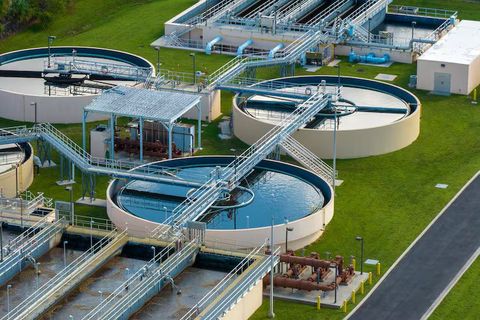
Industrial water storage tanks hold water for production activities, cleaning, cooling and other facility requirements. Their capacity and construction depend on water quality, available space and expected consumption.
Chemical Storage Tanks
Chemical storage tanks are designed for substances that may require specific material compatibility and containment arrangements. Chemical storage tank manufacturers consider factors such as chemical concentration, temperature, corrosion characteristics and storage duration.
Depending on the application, these tanks may be constructed from compatible stainless steel, specialized plastics, fiberglass or lined materials. Chemical compatibility should always be evaluated before selecting a tank.
Stainless Steel Tanks
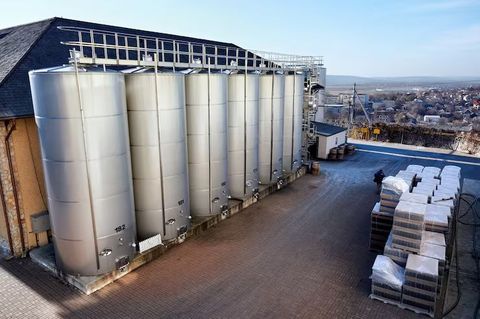
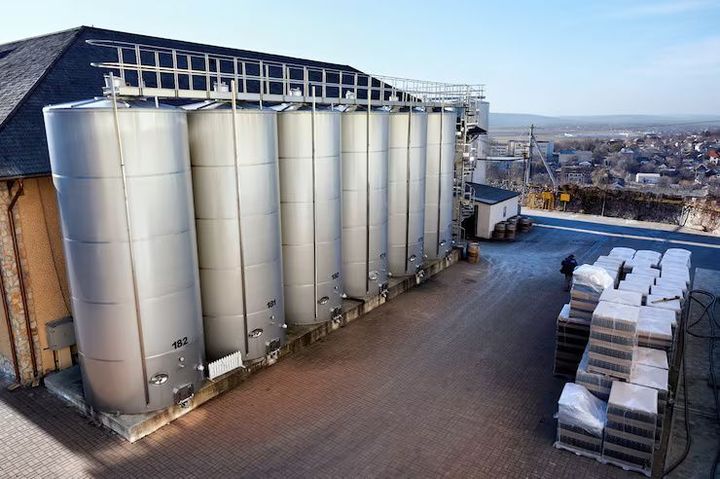
Stainless steel tanks are used in industries where corrosion resistance, cleanability and material compatibility are important considerations. They are found in food processing, pharmaceuticals, chemicals and beverage manufacturing.
Stainless steel tank manufacturers may produce atmospheric storage tanks, mixing vessels and specialized process containers. The selected stainless steel grade depends on the stored substance and operating environment.
Pressure Vessels
Pressure vessels are enclosed containers designed to operate at pressures different from atmospheric pressure. They are used in industrial processes involving compressed gases, steam and pressurized liquids.
Pressure vessel manufacturers must consider design pressure, temperature, material properties, inspection requirements and applicable engineering codes. These vessels require appropriate design, fabrication, testing and periodic inspection.
Industrial Mixing Tanks
Industrial mixing tanks combine liquids, powders or other materials to achieve a consistent mixture. They are used in chemical production, food processing, cosmetics, coatings and other manufacturing operations.
Industrial mixing tank suppliers may provide tanks with agitators, motors, baffles, heating systems or cooling arrangements. Equipment configuration depends on the material's viscosity and the required mixing process.
Fuel Storage Tanks
Fuel storage tanks hold fuels such as diesel, gasoline and other industrial energy products. They are used in manufacturing facilities, power generation sites, transportation operations and fuel distribution infrastructure.
Fuel storage tank manufacturers consider tank capacity, material selection, ventilation, leak prevention, fire protection and environmental requirements. Installation and operation must follow applicable safety regulations.
Process Tanks
Process tanks are used during manufacturing operations rather than only for storing materials. They may support blending, heating, cooling, settling, reaction or other production activities.
Process tanks manufacturers design systems around the requirements of a particular production process. Features can include temperature controls, internal coils, agitators, sensors and specialized connections.
Materials Used in Industrial Tank Construction
Material selection affects a tank's durability, compatibility, maintenance requirements and suitability for a particular application.
| Material | Common Applications | Important Considerations |
|---|---|---|
| Stainless steel | Food processing, chemicals and beverages | Corrosion resistance and cleanability |
| Carbon steel | Fuel, water and general industrial storage | Coatings and corrosion protection |
| Polyethylene | Water and compatible chemical storage | Chemical compatibility and temperature limits |
| Fiberglass reinforced plastic | Water and selected chemical applications | Corrosion resistance and structural design |
| Specialized alloys | Demanding chemical and process environments | Application-specific material properties |
No single material is suitable for every industrial application. The stored substance, temperature, pressure, environmental conditions and maintenance plan should guide the selection.
How to Choose the Right Industrial Tank
Selecting an industrial tank requires an understanding of the materials being handled and the conditions under which the tank will operate.
Storage Capacity
Determine the volume of material that must be stored or processed. Capacity planning should consider current requirements, production schedules, expected demand and available installation space.
Material Compatibility
The tank material must be compatible with the stored substance. Chemical properties, concentration and temperature can influence corrosion, contamination and material degradation.
Operating Pressure and Temperature
Identify whether the application requires atmospheric storage or pressurized operation. Temperature changes can also affect material performance, internal pressure and tank design.
Tank Design and Installation Space
Consider the available site dimensions, foundation requirements, access points and connections. Vertical tanks may be suitable where ground space is limited, while horizontal designs may fit particular site layouts or transportation arrangements.
Safety and Regulatory Requirements
Review applicable industry standards, environmental regulations and inspection requirements. Pressure vessels and tanks containing hazardous materials may require additional design controls, protective systems and documented inspections.
Maintenance Requirements
Consider access for cleaning, inspection and repairs. Tanks with suitable access openings, drainage arrangements and inspection provisions can make routine maintenance more manageable.
Industrial Tank Fabrication and Manufacturing
Industrial tank fabrication involves several stages that convert selected materials into a finished storage or process vessel. The exact manufacturing method depends on tank size, material, design and intended application.
Common stages include material selection, cutting, forming, welding, assembly and surface finishing. Fabricated tanks may also undergo dimensional checks, weld inspections, pressure testing where applicable and other quality-control procedures.
Industrial tank fabrication companies must follow the relevant design specifications and applicable standards for the particular tank category. Inspection requirements differ between atmospheric storage tanks and pressure vessels.
Frequently Asked Questions
What are industrial tanks used for?
Industrial tanks are used to store, mix and process liquids, chemicals, fuels, water and other materials in manufacturing and industrial facilities.
What is the difference between a storage tank and a pressure vessel?
A storage tank generally holds materials at or near atmospheric pressure, while a pressure vessel is designed to operate under specified internal or external pressure conditions.
Which material is commonly used for chemical storage tanks?
Stainless steel, polyethylene, fiberglass reinforced plastic and specialized alloys may be used. The appropriate material depends on chemical compatibility, concentration and operating temperature.
What should be checked before selecting an industrial tank manufacturer?
Review the manufacturer's relevant technical experience, material specifications, fabrication capabilities, quality-control procedures, applicable standards and inspection documentation.
What factors influence industrial tank design?
Important factors include storage capacity, material properties, operating pressure, temperature, installation location, environmental conditions and safety requirements.
Conclusion
Industrial tanks are important components of storage and production systems across manufacturing, chemical processing, energy and water management. Their designs vary according to material compatibility, capacity, pressure conditions and intended applications.
Understanding tank categories, construction materials, fabrication processes and selection factors provides a useful foundation for evaluating industrial tank requirements. Proper engineering, installation, inspection and maintenance are essential considerations throughout a tank's operating life.