Industrial Intrusion Detection Explained: Security Technologies, Intrusion Detection Systems, Sensors, Perimeter Protection, Automation, Global Manufacturers, Suppliers and Industrial Applications
Industrial intrusion detection refers to technologies and systems used to identify unauthorized entry, movement, tampering, or perimeter breaches at industrial facilities. These systems can combine sensors, cameras, radar, fiber optics, alarms, access control, software, and automated monitoring technologies.
Industrial facilities often cover large areas and may contain critical machinery, warehouses, substations, pipelines, storage areas, production lines, and restricted zones. A layered intrusion detection architecture can help security teams identify events and respond according to predefined procedures.
What Is Industrial Intrusion Detection?
Industrial intrusion detection is the use of electronic and physical security technologies to detect unauthorized activity around or inside industrial facilities.
A system may monitor:
Perimeter fences
Gates and entrances
Restricted buildings
Storage yards
Warehouses
Equipment compounds
Utility areas
Pipelines
Remote assets
Critical infrastructure
Modern systems can combine detection sensors with video verification, access control, alarm management, and centralized security software.
Why Industrial Intrusion Detection Matters
Industrial environments can have extensive perimeters and multiple access points. Manual monitoring alone can make it difficult to observe every area continuously.
Industrial intrusion detection systems can help organizations:
Detect perimeter breaches
Monitor restricted areas
Identify unauthorized movement
Generate security alarms
Support video verification
Integrate access-control information
Monitor remote locations
Centralize security events
Improve situational awareness
Automate selected security workflows
The appropriate architecture depends on site size, terrain, security requirements, environmental conditions, asset sensitivity, and operating procedures.
Major Industrial Intrusion Detection Technologies
Different sensing technologies are suited to different industrial environments.
Fence Intrusion Detection
Fence-mounted systems detect climbing, cutting, lifting, or other physical disturbances to a perimeter fence.
Technologies can include:
Vibration sensors
Fiber-optic sensors
Accelerometers
Microwave sensors
Cable-based detection systems
These systems can be integrated with cameras and security management platforms.
Fiber-Optic Intrusion Detection
Fiber-optic systems use optical fibers to detect disturbances along a protected perimeter.
Depending on system design, the technology can detect events such as:
Fence vibration
Cutting
Climbing
Ground disturbance
Vehicle movement
Perimeter intrusion
Fiber-optic sensing can be useful for long perimeters because the sensing medium can cover significant distances.
Microwave Intrusion Detection
Microwave systems create a detection zone between transmitting and receiving units.
An interruption or disturbance within the detection field can generate an alarm.
These systems can be applied to:
Open perimeters
Industrial yards
Restricted compounds
Utility facilities
Storage areas
Infrared Detection
Active infrared systems use transmitter and receiver units to establish an invisible detection beam.
When an object interrupts the beam, the system can generate an alarm.
Infrared technology can be useful around gates, entrances, pathways, and controlled perimeter zones.
Radar Intrusion Detection
Radar-based systems use radio-frequency signals to detect movement across defined areas.
Modern security radar can provide information about:
Object movement
Direction
Approximate distance
Speed
Location
Radar can be particularly useful for large outdoor industrial sites.
Video-Based Intrusion Detection
Video surveillance systems can use cameras and video analytics to identify movement or predefined events.
Analytics can include:
Motion detection
Line crossing
Area intrusion
Object detection
Loitering detection
Direction detection
Abandoned-object detection
Video analytics can provide visual verification after another perimeter sensor generates an alarm.
Industrial Intrusion Detection Sensors
Sensors are fundamental components of industrial security systems.
| Sensor Type | Typical Detection Function |
|---|---|
| Vibration sensor | Detects fence disturbance |
| Fiber-optic sensor | Detects physical or environmental disturbance |
| Infrared sensor | Detects beam interruption |
| Microwave sensor | Detects movement within a zone |
| Radar sensor | Detects and tracks moving objects |
| Thermal sensor | Detects heat signatures |
| Motion sensor | Detects movement |
| Magnetic sensor | Detects door or gate opening |
| Pressure sensor | Detects movement across protected areas |
| Video analytics | Detects predefined visual events |
Sensor selection depends on the environment, detection range, terrain, weather, and expected sources of interference.
Perimeter Protection Systems
Perimeter protection creates the first layer of physical security around an industrial facility.
A layered perimeter can include:
Physical fence
Fence intrusion sensors
Gate monitoring
Perimeter cameras
Thermal cameras
Radar detection
Lighting
Access control
Security alarms
Central monitoring software
Combining multiple technologies can reduce dependence on a single detection method.
Industrial Access Control and Intrusion Detection
Access control determines who or what is authorized to enter a protected area, while intrusion detection identifies activity that may violate security boundaries.
Access-control technologies can include:
RFID systems
Smart cards
PIN systems
Biometric identification
Vehicle identification
License plate recognition
Electronic locks
Gate controllers
Integration between access control and intrusion detection can provide a more complete picture of security events.
For example, an access-control event can be compared with a detected movement event to determine whether activity occurred within an authorized access window.
Industrial Video Surveillance
Video surveillance is commonly integrated with intrusion detection systems.
Cameras can provide visual confirmation of alarms generated by:
Fence sensors
Radar
Microwave detectors
Infrared systems
Access-control systems
Motion sensors
Fixed cameras, PTZ cameras, thermal cameras, and specialized industrial cameras can be deployed according to site requirements.
Thermal Intrusion Detection
Thermal cameras detect infrared radiation rather than visible light.
They can be useful in conditions where conventional cameras have reduced visibility, including:
Darkness
Smoke
Certain weather conditions
Large outdoor areas
Thermal systems can be integrated with video analytics and perimeter security platforms.
AI-Based Industrial Intrusion Detection
Artificial intelligence and machine-learning technologies are increasingly used in video analytics and security monitoring.
AI-based systems can classify detected objects and distinguish between different types of movement.
Possible classifications include:
Person
Vehicle
Animal
Unknown object
AI analytics can also support event prioritization, reducing the number of routine alerts that require manual review.
Industrial Intrusion Detection Automation
Automation allows security systems to process events and trigger predefined responses.
A typical automated workflow can include:
Sensor detection → Event processing → Alarm generation → Camera verification → Security notification → Response procedure
Security platforms can connect sensors, cameras, access control, alarms, and monitoring software.
Automated workflows can be configured according to site policies and operational requirements.
Security Management Software
Centralized security management software can collect events from multiple detection systems.
Typical functions include:
Alarm management
Event logging
Camera management
Access-control integration
Sensor monitoring
User management
System diagnostics
Reporting
Notification management
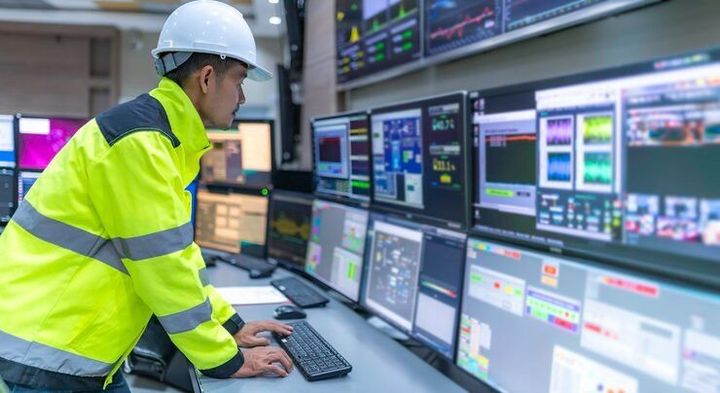
Large facilities can use centralized dashboards to monitor multiple security zones.
Manufacturing and Integration of Intrusion Detection Equipment
Industrial security equipment combines electronics, sensors, mechanical housings, communications, and software.
Product Engineering
Engineers define detection range, environmental requirements, communication interfaces, power requirements, and installation configurations.
Sensor Manufacturing
Sensors are manufactured and calibrated according to their specific detection technology.
Housing and Mechanical Assembly
Outdoor equipment may require weather-resistant enclosures designed for dust, moisture, vibration, and temperature variations.
Electronics Integration
Processing units, communication modules, power supplies, and control boards are assembled into the detection equipment.
Software Configuration
Detection algorithms, communication protocols, alarm logic, and user interfaces are configured for the intended application.
Testing and Calibration
Systems can undergo:
Detection testing
Environmental testing
Communication testing
Alarm testing
Sensor calibration
Integration testing
Cybersecurity testing
Industrial Intrusion Detection System Architecture
A typical system can contain several layers.
Detection Layer
Sensors, cameras, radar, fiber optics, and other devices collect information.
Communication Layer
Industrial Ethernet, fiber-optic networks, wireless communication, or other network technologies transfer event information.
Processing Layer
Edge computers or central servers process sensor and video information.
Management Layer
Security software manages alarms, events, users, and system status.
Response Layer
Operators or automated workflows respond to confirmed security events according to facility procedures.
Industrial Applications
Industrial intrusion detection is used across many sectors.
Manufacturing Plants
Factories can use perimeter sensors, cameras, access control, and alarms to protect production areas and restricted zones.
Warehouses
Warehouse security systems can monitor loading areas, entrances, storage yards, and perimeter fencing.
Power Plants
Power-generation facilities can use layered detection systems around critical infrastructure and restricted compounds.
Substations
Electrical substations can use fence sensors, cameras, radar, and access control to monitor perimeter activity.
Oil and Gas Facilities
Large energy facilities may use long-range perimeter monitoring, fiber-optic detection, radar, thermal cameras, and centralized security platforms.
Chemical Plants
Chemical-processing facilities can use intrusion detection to protect restricted areas, storage zones, and critical equipment.
Data Centers
Data centers can combine access control, video surveillance, perimeter protection, and intrusion alarms to protect critical infrastructure.
Ports and Maritime Facilities
Ports can use radar, thermal cameras, fence sensors, access control, and video analytics across large outdoor areas.
Mining Sites
Mining facilities often have large and geographically dispersed perimeters that can benefit from remote monitoring technologies.
Global Manufacturers and Suppliers
The industrial intrusion detection market includes companies specializing in physical security, perimeter protection, sensors, video surveillance, access control, radar, fiber-optic detection, and security software.
Supplier categories include:
Industrial intrusion detection manufacturers
Perimeter security manufacturers
Fiber-optic detection suppliers
Security sensor manufacturers
Industrial radar manufacturers
Thermal camera manufacturers
Video analytics providers
Access-control equipment suppliers
Security software companies
Industrial security system integrators
When evaluating suppliers, organizations commonly consider detection performance, false-alarm characteristics, environmental durability, integration capabilities, communication interfaces, scalability, maintenance, and technical support.
Factors for Selecting an Industrial Intrusion Detection System
Site Size
Large facilities may require distributed detection equipment and centralized monitoring.
Perimeter Characteristics
Fences, walls, open terrain, waterways, roads, and other physical features influence technology selection.
Environmental Conditions
Rain, fog, dust, snow, temperature changes, vegetation, wildlife, and industrial activity can affect detection performance.
Detection Range
Radar, microwave, infrared, and camera technologies provide different coverage characteristics.
False Alarm Management
The system should be designed to distinguish genuine security events from common environmental or operational disturbances.
Integration
Integration with cameras, access control, alarms, building management, and security operations platforms can improve situational awareness.
Scalability
A scalable architecture allows additional sensors, cameras, gates, buildings, or remote sites to be incorporated later.
Industrial Intrusion Detection Technology Comparison
| Technology | Main Strength | Typical Application |
|---|---|---|
| Fiber optic | Long perimeter coverage | Fences and buried perimeters |
| Microwave | Zone-based detection | Open industrial areas |
| Infrared | Beam-based detection | Gates and restricted zones |
| Radar | Long-range tracking | Large outdoor facilities |
| Thermal imaging | Low-light detection | Outdoor critical infrastructure |
| Video analytics | Visual classification | Cameras and perimeter monitoring |
| Vibration sensing | Physical disturbance detection | Security fencing |
| Access control | Authorized-entry verification | Gates and buildings |
Benefits of Layered Industrial Security
A layered intrusion detection architecture can combine different technologies to create complementary detection capabilities.
Potential benefits include:
Wider perimeter coverage
Multiple detection methods
Centralized event management
Automated alarm generation
Video verification
Remote monitoring
Access-control integration
Improved security visibility
Scalable site protection
Faster event identification
Actual performance depends on system design, environmental conditions, sensor placement, software configuration, and operational procedures.
Future Trends in Industrial Intrusion Detection
AI-Powered Video Analytics
AI can improve object classification and help prioritize security events.
Edge Processing
Edge computing can process sensor and video data closer to the detection point, reducing communication requirements for some applications.
Integrated Security Platforms
Security systems are increasingly combining intrusion detection, video surveillance, access control, and alarm management within unified platforms.
Autonomous Monitoring
Robotic and autonomous platforms may complement fixed security infrastructure at selected industrial sites.
Advanced Fiber-Optic Sensing
Distributed fiber-optic sensing can provide extensive coverage along fences, pipelines, and other protected assets.
Digital Security Operations
Cloud-connected dashboards, remote monitoring, event analytics, and centralized management can support multi-site industrial security operations.
Frequently Asked Questions
What is industrial intrusion detection?
Industrial intrusion detection uses sensors, cameras, radar, alarms, software, and other technologies to identify unauthorized entry or movement around industrial facilities.
What technologies are used for perimeter intrusion detection?
Common technologies include fiber-optic sensing, microwave detection, infrared beams, radar, vibration sensors, thermal imaging, and video analytics.
Can industrial intrusion detection integrate with CCTV?
Yes. Intrusion sensors can be integrated with CCTV and video analytics so cameras can provide visual verification when an alarm is generated.
What is fiber-optic intrusion detection?
Fiber-optic intrusion detection uses optical sensing technology to detect disturbances along protected fences, buried perimeters, pipelines, or other assets.
Where are industrial intrusion detection systems used?
They are used at manufacturing plants, warehouses, power facilities, substations, energy facilities, chemical plants, data centers, ports, mines, and other industrial sites.
Conclusion
Industrial intrusion detection combines physical security, electronic sensing, video surveillance, access control, automation, and centralized software to identify unauthorized activity around industrial facilities. Technologies such as fiber-optic sensing, radar, microwave detection, infrared systems, thermal imaging, vibration detection, and AI-based video analytics provide different approaches to perimeter and facility protection.
Modern industrial security architectures increasingly integrate these technologies into unified monitoring platforms. The result is a layered approach in which sensors detect potential events, cameras provide verification, software manages alarms, and security personnel follow established response procedures.
As industrial facilities become more connected and geographically distributed, scalable sensing, intelligent analytics, edge processing, remote monitoring, and integrated security platforms are likely to remain important areas of development.