Industrial Automation Systems: Types, Applications & How to Choose
Industrial automation is changing how factories operate. It uses machines, control systems, and software to perform manufacturing activities with limited manual intervention. Industrial automation manufacturers develop equipment and technologies that help industries manage production, monitor operations, and coordinate industrial processes.
From small production units to large manufacturing facilities, automation can support activities such as material handling, assembly, packaging, inspection, and process control. Understanding its components, applications, and selection factors helps businesses evaluate different industrial automation systems.
What Is Industrial Automation Manufacturing?
Industrial automation manufacturing refers to the use of automated machines, control devices, and digital technologies to manage manufacturing processes. These systems perform specific tasks according to programmed instructions, sensor information, and operating conditions.
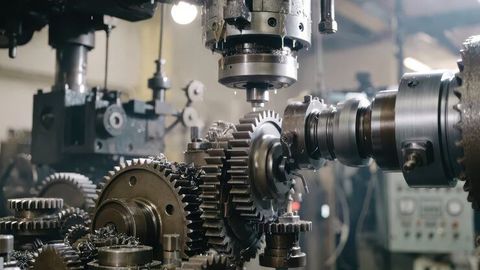
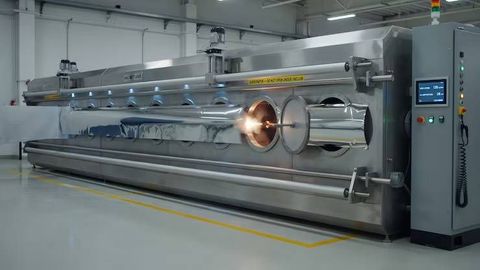
Industrial machinery automation can involve individual machines or complete production lines. For example, a factory may use automated equipment to move materials, assemble components, inspect products, and package finished goods.
Industrial automation system suppliers provide different technologies depending on production requirements. These may include programmable logic controllers, sensors, industrial robots, control panels, and monitoring software.
Importance of Industrial Automation in Manufacturing
Automation plays an important role in modern industrial operations because it helps coordinate repetitive tasks and manage production activities. Its usefulness depends on the manufacturing process, equipment configuration, and operating environment.
Improving Production Consistency
Automated machines can perform repeated operations according to programmed settings. This supports consistency in activities such as cutting, filling, welding, assembly, and packaging. Proper configuration and maintenance remain necessary for reliable operation.
Supporting Operational Efficiency
Automation can coordinate multiple production stages and reduce unnecessary manual handling. It may also help manufacturers identify process interruptions and manage equipment usage more effectively.
Improving Process Monitoring
Industrial control systems collect information from sensors and connected machines. Operators can use this information to observe production conditions, identify unusual readings, and make operational adjustments.
Supporting Workplace Safety
Certain automated systems can perform tasks involving repetitive movement, high temperatures, heavy materials, or restricted working areas. Safety sensors, protective barriers, emergency stops, and suitable operating procedures are important parts of these installations.
Types of Industrial Automation Systems
Industrial automation includes several technologies designed for different manufacturing requirements. The appropriate system depends on production volume, process complexity, operating conditions, and the level of control required.
Fixed Automation
Fixed automation uses dedicated equipment designed to perform a specific sequence of operations. It is commonly associated with high-volume production lines where products and manufacturing steps remain relatively consistent.
Examples include automated bottling lines, assembly systems, and specialized packaging machines. Changing the production process may require adjustments to equipment or machinery.
Programmable Automation
Programmable automation allows machines to perform different operations through programmed instructions. Manufacturers can modify programs when production requirements or product designs change.
This approach is used in batch production, machine tools, and certain industrial processing applications. Programmable systems may include PLC-based controls and automated handling equipment.
Flexible Automation
Flexible automation allows production equipment to handle different products or operations with limited changeover requirements. It can be useful in manufacturing environments where product variations are common.
Computer-controlled machinery, robotic workstations, and integrated production systems are examples of technologies used in flexible manufacturing.
Major Industrial Automation Equipment and Components
Industrial automation equipment manufacturers produce different components that work together to control machines and production processes.
Programmable Logic Controllers
Programmable logic controllers, commonly called PLCs, are industrial computers used to control machines and automated processes. PLC automation system manufacturers develop controllers and related hardware for applications such as conveyor systems, packaging lines, and machine operations.
A PLC receives information from input devices, processes programmed instructions, and sends signals to output devices.
Supervisory Control and Data Acquisition Systems
Supervisory Control and Data Acquisition systems, known as SCADA, help operators monitor and control industrial processes. SCADA system suppliers provide software and related components that collect information from connected equipment and display operating conditions.
These systems are used in manufacturing plants, water treatment facilities, energy operations, and other industrial environments.
Sensors and Transmitters
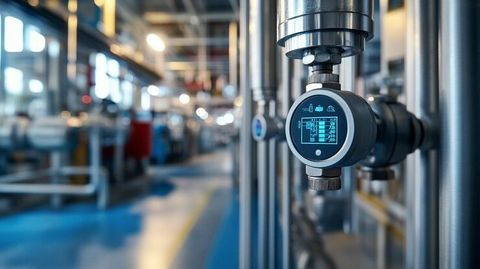
Sensors detect physical conditions such as temperature, pressure, distance, position, and flow. Transmitters convert measured information into signals that control systems can interpret.
They help automated equipment respond to changing operating conditions and provide information for process monitoring.
Industrial Robots
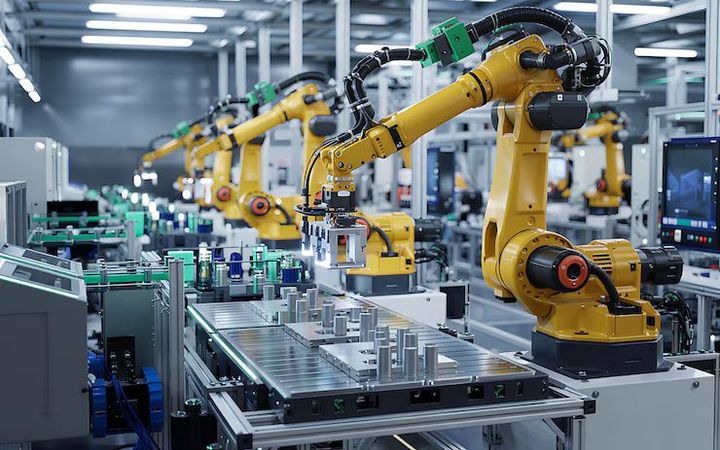
Industrial robots perform programmed movements for tasks such as welding, painting, material handling, assembly, and packaging. Their configuration depends on the task, payload, working area, and required movement.
Robotic systems may operate independently or as part of larger automated manufacturing systems.
Human-Machine Interfaces
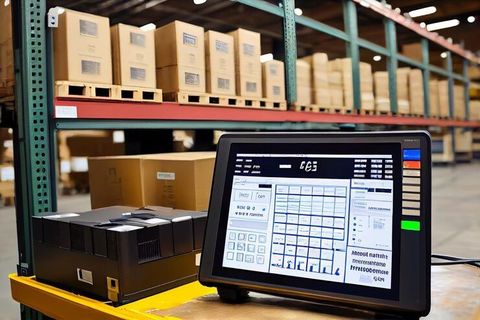
A Human-Machine Interface, or HMI, allows operators to interact with machines and control systems. It may display operating information, alarms, production settings, and equipment status.
HMIs are commonly connected to PLCs and other industrial controllers.
Common Applications of Industrial Automation
Industrial automation is used across different manufacturing sectors. Its applications depend on the products being manufactured and the processes involved.
| Industry | Common Automation Applications |
|---|---|
| Automotive | Robotic welding, assembly, painting, and inspection |
| Food and Beverage | Filling, mixing, sorting, and packaging |
| Pharmaceuticals | Process monitoring, filling, and packaging |
| Electronics | Component placement, testing, and assembly |
| Metal Manufacturing | Cutting, welding, machining, and material handling |
| Chemicals | Temperature, pressure, and process control |
| Textiles | Fabric processing, cutting, and automated handling |
Automated manufacturing systems can combine several technologies to coordinate different stages of production. For example, an automotive facility may use robotic arms, conveyors, sensors, and PLC controllers within a single production line.
How to Choose Industrial Automation Manufacturers and Suppliers
Selecting an industrial automation manufacturer or supplier requires an understanding of technical requirements and the intended application. The following factors can help guide the evaluation.
Understand Production Requirements
Identify the tasks that need automation, such as material movement, machine operation, inspection, or packaging. The required production capacity and operating conditions should also be considered.
Review Equipment Compatibility
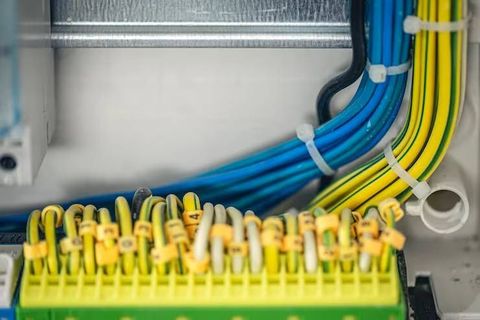
Automation components should work with existing machinery, control panels, communication systems, and production software where integration is required. Compatibility should be confirmed before installation.
Examine Technical Capabilities
Industrial automation solutions providers may specialize in particular technologies, such as PLC programming, robotics, SCADA systems, or complete production-line integration. Their technical capabilities should match the project's requirements.
Consider Integration Requirements
Industrial automation integrators connect machines, controllers, sensors, and software into coordinated systems. Integration planning is important when equipment from different manufacturers needs to operate together.
Evaluate Maintenance and Documentation
Review equipment manuals, maintenance schedules, spare-part requirements, and technical documentation. Staff training and access to suitable technical support are also important considerations.
Industrial Automation Trends and Developments
Industrial automation continues to develop through improvements in software, connectivity, robotics, and data processing. These technologies are influencing how manufacturing facilities monitor and manage production.
Industrial Internet of Things
The Industrial Internet of Things connects machines, sensors, and control systems to collect and exchange operational information. Connected devices can support equipment monitoring and production analysis.
Artificial Intelligence in Manufacturing
Artificial intelligence can be used to analyze production data, identify patterns, and support selected inspection or maintenance activities. Its effectiveness depends on data quality, system design, and the specific industrial application.
Digital Twins
A digital twin is a virtual representation of a physical machine, product, or process. Manufacturers can use digital models to examine operating conditions, evaluate changes, and study production scenarios.
Predictive Maintenance
Predictive maintenance uses equipment data and condition monitoring to identify possible maintenance requirements. It can help maintenance teams plan inspections based on observed equipment conditions rather than relying only on fixed schedules.
Frequently Asked Questions
What do industrial automation manufacturers produce?
Industrial automation manufacturers produce or develop equipment such as PLCs, sensors, control panels, robotic systems, drives, and other technologies used in automated manufacturing.
What is the difference between PLC and SCADA systems?
A PLC directly controls machines and processes through programmed instructions. SCADA systems provide supervisory monitoring, data collection, and control functions across industrial operations.
What are automated manufacturing systems?
Automated manufacturing systems combine machines, controllers, sensors, software, and material-handling equipment to perform production activities with limited manual intervention.
What do industrial automation integrators do?
Industrial automation integrators connect different machines, control devices, and software platforms so they can operate as a coordinated system.
Which industries use industrial machinery automation?
Automotive, electronics, food processing, pharmaceuticals, chemicals, textiles, and metal manufacturing are among the industries that use industrial machinery automation.
Conclusion
Industrial automation manufacturing combines machines, control systems, sensors, robotics, and software to manage industrial production activities. Technologies such as PLCs, SCADA systems, HMIs, and automated handling equipment support different manufacturing operations.
Understanding system types, equipment functions, industrial applications, and integration requirements helps businesses evaluate suitable automation technologies. Careful equipment selection, appropriate training, and regular maintenance remain important for managing automated manufacturing environments.