Carbon Emission Sensors Explained: Emissions Monitoring Technologies, Detection Systems, Manufacturers, Suppliers and Industrial Applications
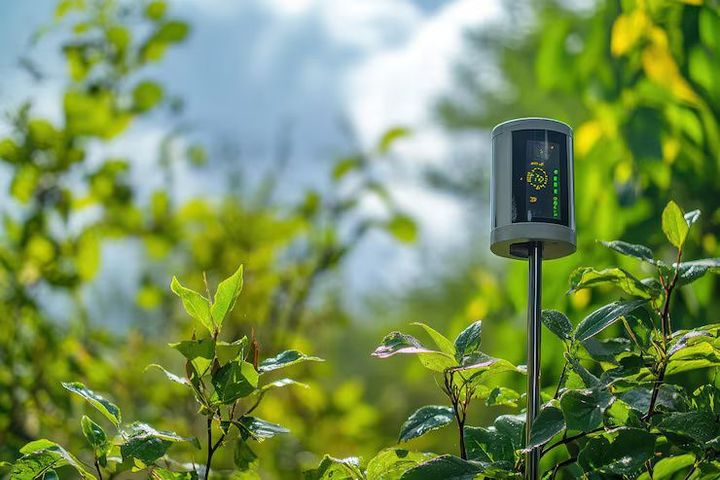
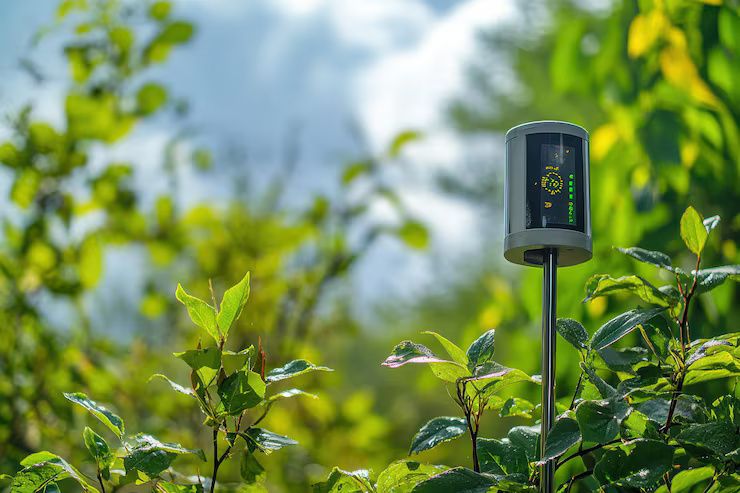
Carbon emission sensors are measurement devices used to detect and quantify carbon-containing gases released from industrial processes, combustion equipment, vehicles, and other emission sources. They form part of broader emissions monitoring technologies used to understand atmospheric releases and support environmental management.
Modern carbon emission detection systems can measure carbon dioxide (CO₂), carbon monoxide (CO), and, depending on the application, other gases associated with industrial emissions. Technologies include infrared sensing, electrochemical detection, laser-based measurement, gas analyzers, continuous emissions monitoring systems, and connected industrial monitoring platforms.
Context
What Are Carbon Emission Sensors?
Carbon emission sensors detect specific gases or provide measurements related to carbon-containing emissions. The term can refer to compact gas sensors, industrial gas analyzers, fixed monitoring instruments, portable instruments, or integrated continuous emissions monitoring systems.
Carbon dioxide is a major greenhouse gas associated with combustion and numerous industrial processes. Carbon monoxide is a toxic combustion-related gas that can indicate incomplete combustion. Because these gases have different physical and chemical characteristics, different sensing technologies are used for each application.
How Carbon Emission Sensors Work
A sensor interacts with a gas sample and generates a measurable response. The signal is processed by electronics and converted into a concentration or related measurement.
A simplified measurement sequence is:
Gas Sample → Sensor Interaction → Signal Generation → Data Processing → Concentration Reading
Industrial systems may additionally transmit measurements to a control room, environmental database, SCADA platform, or cloud-based analytics system.
Major Carbon Emission Sensor Technologies
| Technology | Measurement Principle | Typical Applications |
|---|---|---|
| NDIR | Infrared absorption | CO₂ monitoring |
| Electrochemical | Chemical/electrical reaction | CO and selected gases |
| Photoacoustic | Acoustic response to modulated light | Gas analysis |
| Laser-Based | Spectroscopic absorption | Industrial gas measurement |
| Metal Oxide | Change in electrical properties | Gas detection |
| Gas Chromatography | Component separation and analysis | Detailed gas analysis |
| CEMS | Continuous emissions measurement | Industrial stacks |
The appropriate technology depends on gas type, concentration range, environmental conditions, measurement accuracy, response time, and regulatory requirements.
NDIR Carbon Dioxide Sensors
Non-dispersive infrared technology is widely used for carbon dioxide measurement. CO₂ absorbs infrared radiation at characteristic wavelengths, allowing the instrument to estimate its concentration.
NDIR sensors can be found in industrial monitoring equipment, building systems, combustion monitoring, laboratories, and environmental measurement applications.
Electrochemical Sensors
Electrochemical sensing technologies are commonly used for gases such as carbon monoxide. The target gas interacts with an electrode system and produces an electrical response related to concentration.
Sensor selection depends on the gas, expected concentration, operating environment, and required detection characteristics.
Laser-Based Gas Detection
Laser-based systems use specific wavelengths of light to identify gas absorption characteristics. They can provide highly selective measurements for particular gases.
Some industrial systems use tunable laser absorption spectroscopy for continuous measurement of gases in process streams or emission sources.
Importance
Why Carbon Emission Sensors Matter
Industrial combustion and manufacturing processes can release carbon-containing gases into the atmosphere. Measurement systems provide information about these emissions and can help organizations understand process performance and environmental conditions.
Accurate measurements can also support reporting, compliance activities, process monitoring, and engineering analysis.
Supporting Emissions Monitoring
Emissions monitoring technologies can measure gases at different points in an industrial process. Sensors may be installed directly in exhaust streams, connected to sampling systems, or deployed around facilities.
The monitoring architecture depends on whether the objective is stack measurement, ambient monitoring, process control, or workplace detection.
Continuous Emissions Monitoring Systems
Continuous emissions monitoring systems, commonly known as CEMS, are integrated systems designed to continuously or periodically measure specified pollutants from industrial emission sources.
A CEMS can include gas analyzers, sampling equipment, filters, conditioning systems, flow measurements, calibration components, data acquisition systems, and reporting software.
Process Optimization
Carbon emission measurements can provide information about combustion conditions and process efficiency. For example, changes in CO₂ or CO measurements can help engineers investigate combustion behavior.
Sensor information can be combined with temperature, pressure, oxygen, fuel-flow, and other process measurements for broader analysis.
Environmental Reporting
Organizations may use emissions data to prepare environmental records and regulatory reports where required.
Reliable measurement requires appropriate calibration, quality assurance, data management, and adherence to the methodology applicable to the monitoring program.
Detection Systems and Equipment
Fixed Carbon Monitoring Systems
Fixed systems are permanently installed at selected locations. They can monitor industrial stacks, combustion equipment, production areas, or facility environments.
These systems can transmit readings to centralized monitoring platforms.
Portable Emissions Analyzers
Portable analyzers allow technicians to collect measurements at different locations. They can be used for inspection, commissioning, troubleshooting, maintenance, and process investigations.
Portable equipment may measure multiple gases simultaneously depending on the instrument configuration.
Stack Emissions Monitoring
Stack monitoring systems measure gases released through industrial exhaust stacks. Sampling probes extract gas, after which the sample may be conditioned before entering the analyzer.
Important considerations include gas temperature, moisture, particulate concentration, pressure, flow, and potential interference from other gases.
Ambient Carbon Monitoring
Ambient monitoring systems measure gas concentrations in surrounding air rather than directly inside an exhaust stream.
Networks of fixed sensors can be used around industrial sites or other locations where environmental conditions need to be observed.
Carbon Detection and Alarm Systems
Carbon monoxide detection systems can provide alarms when concentrations reach defined thresholds. These systems are particularly relevant to combustion areas, enclosed spaces, industrial facilities, and equipment rooms.
Alarm thresholds and sensor placement should be determined according to the relevant safety requirements and environmental conditions.
Manufacturers and Suppliers
The carbon emission monitoring ecosystem includes sensor manufacturers, gas-analyzer producers, environmental monitoring companies, industrial automation providers, and specialized emissions-monitoring system integrators.
Equipment can range from individual sensors to complete CEMS installations.
When evaluating manufacturers and suppliers, organizations can examine:
- Gas measurement capability
- Detection range
- Measurement accuracy
- Response time
- Sensor lifetime
- Calibration requirements
- Operating temperature
- Pressure compatibility
- Moisture and particulate handling
- Communication interfaces
- Data logging
- Regulatory documentation
For industrial applications, the complete sampling and measurement system should be evaluated rather than considering the sensor element alone.
Industrial Applications
Power Generation
Power plants use emissions monitoring technologies to measure gases associated with fuel combustion. Carbon dioxide and carbon monoxide measurements can provide information about combustion processes.
Monitoring systems may be integrated with broader emissions measurement and plant-control architectures.
Cement Manufacturing
Cement production involves high-temperature processing and substantial fuel consumption. Emissions monitoring systems can measure gases from kilns and related process equipment.
Continuous monitoring can provide data for environmental management and process analysis.
Steel and Metal Processing
Furnaces, reheating systems, and other thermal processes can generate carbon-containing emissions. Sensors and gas analyzers can monitor exhaust streams and combustion conditions.
Chemical Manufacturing
Chemical facilities may use gas monitoring technologies for both process measurement and environmental monitoring.
The gases measured depend on the specific chemical process and emission sources.
Oil and Gas Processing
Refineries, processing facilities, and combustion equipment can use emissions analyzers to monitor exhaust gases and process conditions.
Gas measurement can be combined with flow and temperature data to characterize emission sources.
Waste Management
Waste treatment and energy-recovery facilities can use gas monitoring systems to measure combustion-related emissions.
Monitoring configurations vary according to combustion technology, waste composition, and applicable environmental requirements.
Manufacturing Facilities
Industrial furnaces, boilers, dryers, generators, and other combustion equipment can use carbon emission sensors to monitor exhaust conditions.
Sensor data can also contribute to equipment diagnostics and process-control strategies.
Recent Updates
Smart Carbon Sensors
Newer sensor systems increasingly incorporate digital interfaces, onboard diagnostics, temperature compensation, and remote monitoring capabilities.
These features can simplify integration with industrial data platforms.
Wireless Monitoring
Wireless sensor networks can provide measurement data from distributed locations without requiring conventional wiring to every measurement point.
Industrial wireless deployments need appropriate consideration of communication reliability, power management, cybersecurity, and environmental conditions.
IoT-Based Emissions Monitoring
Industrial IoT platforms can collect data from multiple sensors and combine it with process information.
A connected system can provide dashboards showing measurements across different equipment, production areas, or facilities.
AI-Based Emissions Analytics
Artificial intelligence and machine-learning methods are being explored for emissions data analysis. Applications can include anomaly identification, trend analysis, process correlation, and emissions forecasting.
These analytical systems depend on accurate input data and should be evaluated against appropriate engineering and measurement practices.
Miniaturized Gas Sensors
Advances in sensor materials, electronics, and manufacturing are enabling smaller gas-detection devices.
Miniaturized sensors can be incorporated into portable instruments, distributed monitoring networks, and connected industrial devices.
Integrated Environmental Platforms
Environmental monitoring platforms can combine gas measurements with meteorological information, equipment operating data, and historical records.
Such integration can help organizations analyze relationships between process conditions and measured emissions.
Laws or Policies
Environmental Monitoring Requirements
Industrial emission monitoring may be governed by environmental regulations that specify which pollutants need to be measured, how measurements are performed, and how records are maintained.
Requirements vary according to country, industry, facility type, emission source, and applicable permit conditions.
Continuous Monitoring Requirements
Some regulated industrial sources may require continuous emissions monitoring for specified pollutants.
Organizations should verify the applicable monitoring method, analyzer requirements, calibration procedures, quality assurance requirements, and reporting intervals with the relevant environmental authority.
Calibration and Quality Assurance
Reliable emissions measurement depends on appropriate calibration and quality-control procedures.
Depending on the system, activities may include zero checks, span checks, calibration-gas verification, analyzer maintenance, sampling-system inspection, and periodic performance testing.
Data Management
Emissions monitoring systems generate environmental measurement records. Data should be stored, protected, reviewed, and reported according to applicable requirements.
Digital systems should also incorporate appropriate access controls and data-integrity measures.
Workplace Gas Detection
Carbon monoxide monitoring in occupational environments may be subject to workplace safety requirements. Sensor placement, alarm levels, maintenance, and calibration should follow the requirements applicable to the specific facility.
Tools and Resources
Gas Analyzers
Industrial gas analyzers provide quantitative measurements of selected gases. Multi-gas analyzers can measure several components within the same sample.
CEMS Platforms
CEMS platforms combine sampling equipment, analyzers, data acquisition, calibration components, and reporting functions.
Calibration Equipment
Calibration gases and associated equipment are used to verify analyzer performance. The concentration and composition of calibration gases should match the requirements of the measurement method.
Industrial Data Platforms
SCADA, distributed control systems, environmental databases, and cloud analytics platforms can collect and visualize emissions information.
Maintenance Tools
Maintenance teams can use diagnostic software, calibration instruments, sensor test equipment, and inspection procedures to maintain monitoring systems.
FAQs
What are carbon emission sensors?
Carbon emission sensors are measurement devices used to detect gases such as carbon dioxide or carbon monoxide. They can be incorporated into portable instruments, fixed monitoring systems, or larger emissions measurement platforms.
What technology is commonly used for CO₂ sensors?
NDIR technology is widely used for CO₂ measurement because carbon dioxide absorbs infrared radiation at characteristic wavelengths.
What is a continuous emissions monitoring system?
A continuous emissions monitoring system is an integrated arrangement of analyzers, sampling equipment, data systems, and related components used to measure specified emissions from industrial sources.
Where are carbon emission sensors used?
Applications include power generation, cement production, chemical manufacturing, metal processing, oil and gas facilities, waste treatment, industrial boilers, furnaces, generators, and other combustion systems.
How are industrial carbon sensors maintained?
Maintenance can include calibration checks, sensor inspection, sampling-system maintenance, cleaning, diagnostic testing, and replacement of components according to manufacturer specifications and applicable monitoring procedures.
Conclusion
Carbon emission sensors provide measurement capabilities for gases associated with industrial combustion, manufacturing processes, and environmental monitoring. Technologies such as NDIR, electrochemical sensing, laser spectroscopy, gas chromatography, and CEMS support different measurement requirements.
Modern emissions monitoring is increasingly connected with industrial automation, wireless networks, IoT platforms, digital analytics, and environmental data systems. Accurate measurement depends on suitable sensor selection, proper installation, calibration, sampling design, data management, and compliance with the requirements applicable to the particular emission source.